
A Doctor's Journey to Law

A Doctor's Journey to Law
A Doctor's Journey to Law: Dr. Antonio Reyes on Bridging Medicine and Legal Practice
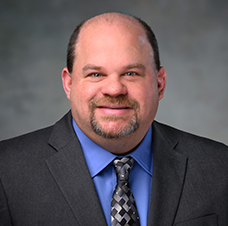 Dr. Antonio Reyes embodies the intersection of healing and justice. With two decades of distinguished service in healthcare—spanning emergency medicine, trauma care, and clinical leadership—Dr. Reyes has witnessed firsthand how the legal system profoundly shapes patient care, medical ethics, and healthcare operations. Rather than viewing law as separate from medicine, he recognized an opportunity to expand his commitment to serving patients and communities in a more holistic and systemic way.
Now in his final year at Touro Law, Dr. Reyes has navigated the unique challenges of pursuing legal education while maintaining his medical career – in South Dakota. The Touro Law FlexTime JD Program proved to be the perfect fit, allowing him to fly to New York for Sunday-only in-person classes while completing the remainder of his coursework around his demanding healthcare schedule during the week.
The journey has required extraordinary discipline, meticulous planning, and a robust support system, but Dr. Reyes has thrived in this unconventional path. He has cultivated a strong community within the law school, developing meaningful relationships with fellow students, faculty, and staff who have become integral to his success.
In this Q&A, Dr. Reyes shares insights into his unique journey to law school, the realities of balancing dual careers, and his vision for how legal training can enhance his service to patients and the healthcare system. His story illuminates the growing recognition among healthcare professionals that understanding law is essential to truly advocating for patients and driving meaningful change in healthcare delivery.
Q: After 20 successful years in healthcare, recently receiving promotions to Clinical Director and becoming a Clinical Instructor, what motivated you to pursue law school at this stage of your career?
A: After two decades in healthcare, including roles in emergency medicine, trauma, and clinical leadership, I began to recognize how deeply the legal system intersects with patient care, medical ethics, and healthcare operations. Whether advocating for vulnerable populations, navigating regulatory frameworks, or participating in hospital governance, I found myself seeking a deeper understanding of the legal structures that shape our profession. Pursuing a JD was not a departure from medicine; it was an expansion of my commitment to serving patients and communities in a more holistic and systemic way.
Q: The FlexTime JD Program is a significant commitment — on top of the challenges of learning the law, you are flying to New York every Sunday from your home in South Dakota. What drew you specifically to Touro Law Center despite the distance and logistical challenges?
A: The FlexTime JD Program at Touro Law Center allowed me to pursue legal education at a high level while continuing to serve in a demanding clinical role. Beyond the format, what truly drew me in was the sense of community and support that it provided. From my first conversations with Dean Berman and Touro’s outstanding faculty, I felt that Touro recognized and respected non-traditional students with diverse backgrounds. That encouragement, and the program's unique design, gave me the confidence to take on this challenge, even if it meant crossing time zones almost every Sunday.
Q: Can you tell us a little about the FlexTime student experience? Have you found professors and classmates to be supportive? Have you created good relationships with your classmates — despite classes being only one day a week? Are the classes interesting/challenging?
A: The FlexTime experience has been incredibly enriching. Despite the condensed format, there’s a strong sense of camaraderie among classmates. We come from different walks of life, but the same intense commitment unites us. Our professors are not only experts in their fields but also genuinely invested in our success; they understand the unique pressures we face and meet us with flexibility and rigor. The classes are both intellectually demanding and engaging. Throughout my years at the Touro Law Center, I have felt respected and valued as a student by the administration, faculty, classmates, and everyone who is a part of this amazing Touro family. Every week, I walk away inspired, challenged, and reminded of why I took this leap.
Q: How has your medical background and healthcare experience influenced your approach to legal studies? Are there particular areas of law that resonate with your professional experience?
A: My medical background gives me a practical lens through which I interpret legal concepts. I am particularly drawn to health law, bioethics, administrative law, and areas involving public policy and patient rights. Years spent making high-stakes decisions in the ER and guiding institutional protocols have trained me to think critically, act decisively, and appreciate the nuances of risk, all of which serve me well in legal analysis. I also bring firsthand insight into systemic healthcare challenges, which gives me a unique perspective when evaluating legal reforms and compliance standards.
Q: You're mentoring final-year medical students while studying law yourself. How does being a student again after 20 years in practice affect your perspective as an educator?
A: Being a student again has made me a better educator. It reminds me of the vulnerability that comes with learning something new and the importance of patience, clarity, and encouragement. Mentoring medical students while navigating my rigorous curriculum keeps me grounded and empathetic. It also models lifelong learning, showing them that growth does not end with a degree, but continues through every part of their career.
Q: The Sunday-only in-person format is quite unique. How do you balance your demanding roles as Clinical Director and Clinical Instructor with law school while making time for your family, especially managing the weekly travel schedule?
A: It takes discipline, careful planning, and a strong support system, but above all, it takes purpose. I have learned to treat travel time as a protected space for reflection, reading, or rest. My roles in healthcare and academia are demanding, but they also energize me. And, I always prioritize my family so I am able to be present for them in meaningful ways. My family is a source of constant support that I have depended on throughout these years. Law school is not a burden; it is a fulfillment. Aligning with my professional and academic goals has created a sense of integration that keeps me motivated and focused.
That said, I would be lying if I said it never gets overwhelming. At times, the weight of multiple responsibilities can feel intense. But with experience comes perspective, and the ability to prioritize. I am certain all my classmates in the FlexTime JD Program face similar challenges during the semester. Fortunately, the flexibility that Touro offers allows us to manage those demands without compromising the quality of our efforts. Thanks to Touro’s program, I can serve as a Clinical Director, teach as a Clinical Instructor, and succeed as a law student; each role supporting and enriching the others.
Q: As you enter your final year of law school, what are your plans for integrating your medical expertise with your legal education? Do you see yourself practicing law, or using legal knowledge to enhance your medical career?
A: I see my legal education as a bridge to a better future. I plan to leverage it in ways that enhance patient advocacy, medical ethics, and institutional leadership. Whether that means serving on health policy boards or consulting on compliance, I aim to be a voice at the intersection of law and medicine. I am also open to practicing law in areas where my clinical insight brings value, such as health law and medical malpractice. Ultimately, I want to be a catalyst for systems that are both just and compassionate.
Back